
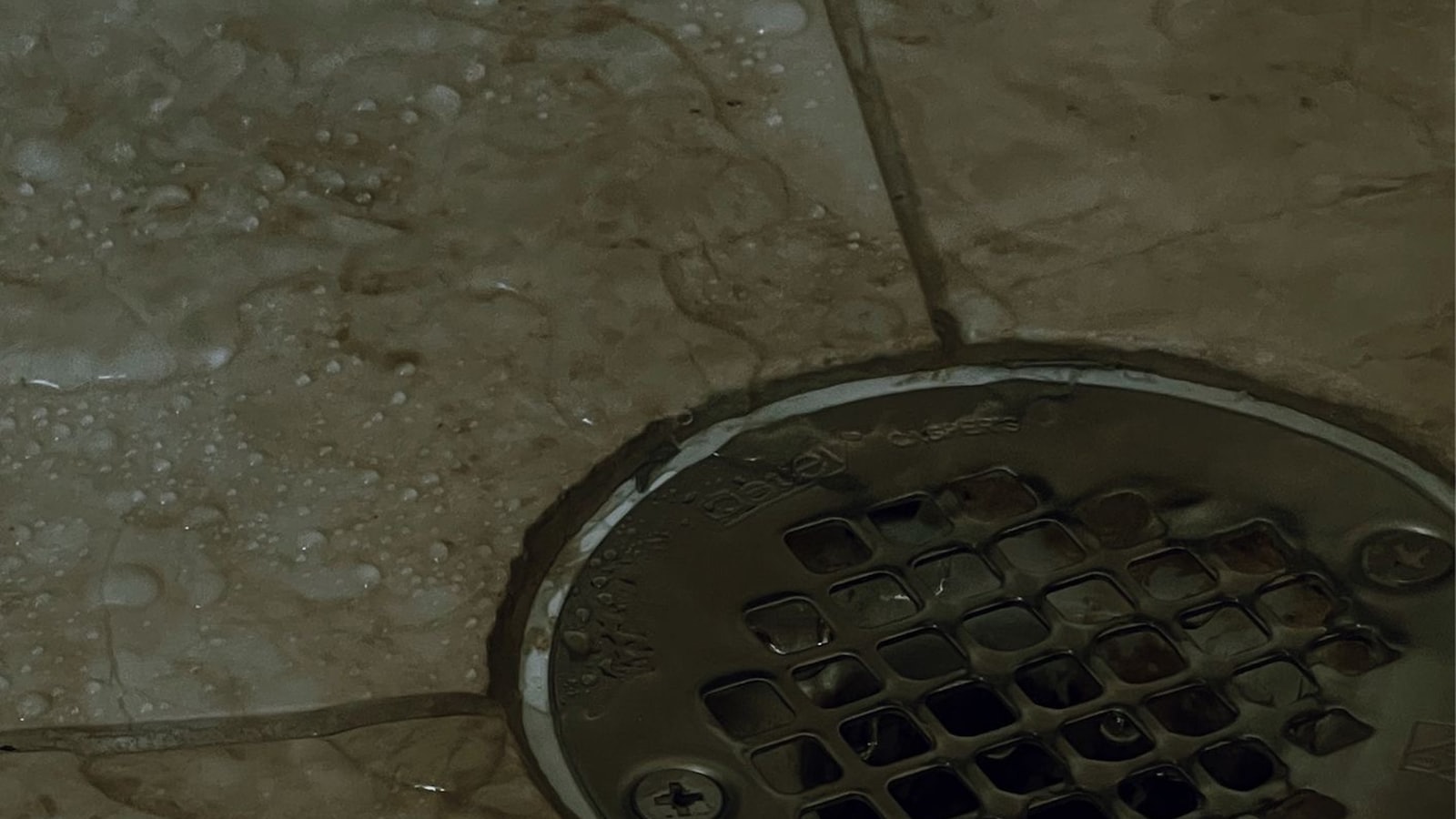
Sewer backup? 5 immediate safety steps for Edmonton homeowners
Stop using water immediately, keep people away from the area, and get urgent plumbing help if sewage is backing up.
What to do, in order
Stop flushing and stop running water
Don't flush toilets. Don't run sinks. Don't start the dishwasher or washing machine.
If the drain line is blocked downstream, every extra litre of water can make the backup worse.
Keep people and pets out of the area
Treat the affected area like a contamination zone until you know what you're dealing with. Keep kids and pets away and avoid dragging water through the house.
If sewage is coming up through a basement floor drain, act like the problem may spread.
Check whether this is one fixture or multiple drains
Look for clues. Is it only one toilet? Are tubs or sinks also slow or backing up? Is the floor drain involved? Is there black or dirty water coming up?
If multiple fixtures are affected, this is much more likely to be a main drain issue than a simple local clog.
Document the damage if it's safe
Take a few photos if you need them for insurance or cleanup documentation. Don't turn this into a photo session — just capture what you need while staying out of unsafe areas.
If the area is actively filling with contaminated water, stop documenting and move to the next step.
Request urgent plumbing help
Sewer backup is usually not a "wait and see" problem. Escalate quickly if sewage is visibly backing up, a basement floor drain is involved, multiple drains or toilets are affected, or the smell is strong and the backup is active.
What not to do
- Don't keep flushing to "see if it clears."
- Don't assume it's just one toilet if a floor drain is involved.
- Don't start cleanup before the active backup is addressed.
- Don't pour random chemical products in hoping they'll solve a main-line issue.
- Don't let contaminated water sit in finished basement areas longer than necessary.
When it becomes urgent
- Black or dirty water is coming up.
- Multiple fixtures are backing up at the same time.
- The basement floor drain is involved.
- Backup is spreading across finished flooring or storage areas.
- The smell is severe and persistent.
Edmonton context
Basements, floor drains, and utility spaces make sewer-backup issues especially disruptive in Edmonton homes. If your floor drain is part of the problem, don't treat it like a normal sink clog.
Frequently asked questions
- Is sewer smell always a sewer backup?
- No — a smell alone doesn't always mean active backup. But smell plus slow drains or black water is a much bigger warning sign.
- Can I use another bathroom in the house?
- Not safely if you suspect a main drain problem. Extra flushing can worsen the backup.
- Should I try a plunger first?
- Only if it's clearly a single-toilet issue with no other drains involved. If multiple fixtures are affected, stop and get help.
- Is this a health hazard?
- Yes — sewage water should be treated as contaminated.